 Reviews


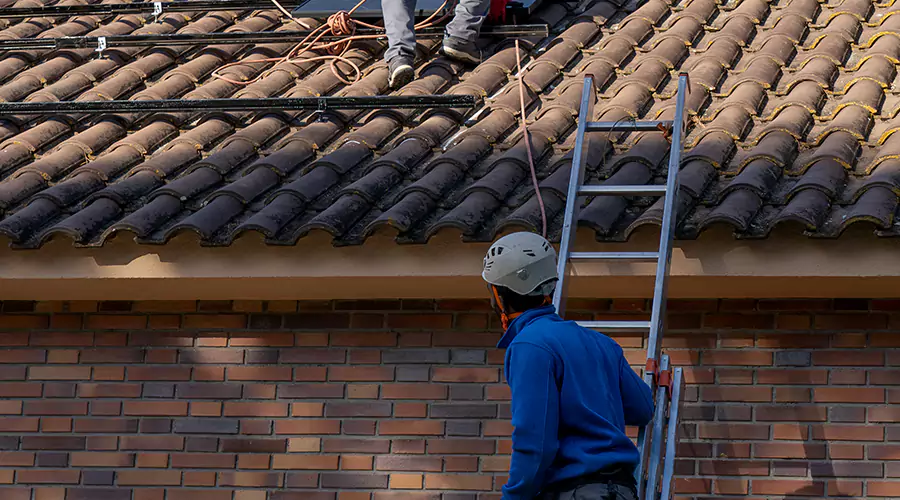
Your roof protects your home from rain, heat, wind, moisture, and debris every day. Because it works quietly in the background, many homeowners do not think much about it until something goes wrong. A missing shingle, a small ceiling stain, or a drip during a storm can quickly turn into a bigger concern if it is not handled the right way. That is why it helps to understand some basic residential roof repair tips before a small issue becomes a costly problem.
Roof repair is not only about fixing visible damage. It is also about knowing how to respond early, what warning signs to watch for, and when to call a professional before the damage spreads. In this guide, we will cover practical residential roof repair tips every homeowner should know, along with simple steps that can help protect the roof and reduce future repair costs.
Why Early Roof Repair Matters?
Many roofing problems start small. A cracked shingle, loose flashing, or clogged drainage area may not look urgent at first, but these issues can let water into the roof system over time. Once moisture gets beneath the surface, it can affect insulation, wood decking, ceilings, and walls.
Taking roof repairs seriously at an early stage can help you:
- Prevent leaks from spreading indoors
- Protect attic insulation and ventilation areas
- Reduce the risk of mold and mildew growth
- Avoid larger structural repairs later
- Extend the life of the roof
- Keep repair costs more manageable
The sooner a problem is identified, the easier it usually is to control.
Tip 1: Pay Attention to Early Warning Signs
One of the best roof repair tips is simple. Do not ignore early signs of damage. The roof often gives small clues before a major problem develops.
Watch for warning signs such as:
- Missing or curling shingles
- Granules collecting in gutters
- Water stains on ceilings or upper walls
- Musty smells in the attic
- Loose flashing around vents or chimneys
- Moss or algae buildup on the roof surface
- Sagging or uneven roof sections
These signs do not always mean severe damage is already present, but they do suggest the roof needs attention.
Tip 2: Check the Roof After Storms
Storms are one of the most common causes of residential roof damage. Wind can lift shingles, hail can weaken materials, and branches or debris can damage roof surfaces and flashing. After strong weather passes, it is a smart idea to do a careful ground-level check of your property.
Look for:
- Roofing pieces in the yard
- Missing shingles
- Bent gutters or flashing
- Debris sitting on the roof
- New ceiling stains after rain
- Damp attic areas
Catching storm damage early can help prevent a small repair from becoming a major leak problem.
Tip 3: Do Not Assume the Leak Is Directly Above the Stain
One of the biggest mistakes homeowners make is assuming that a ceiling stain sits directly below the source of the leak. In reality, water often travels through attic insulation, framing, or roof decking before showing up inside the home.
This means:
- The leak source may be several feet away from the visible stain
- Patching only the area above the stain may not solve the problem
- Hidden moisture may already be affecting a larger section than expected
If a leak appears indoors, it is important to have the full roof system checked rather than guessing where the water entered.
Tip 4: Keep Gutters Clean and Draining Properly
Good roof repair begins with good drainage. Gutters and downspouts help move rainwater away from the roof and home. When they become clogged with leaves, dirt, or shingle granules, water can back up and work its way under the roof edge.
Regular gutter care can help prevent:
- Water intrusion near fascia boards
- Overflow along exterior walls
- Moisture buildup around the roofline
- Added wear on roofing materials near the edges
Clean gutters do not repair roof damage by themselves, but they reduce the chances of moisture problems that often lead to repairs.
Tip 5: Do Not Delay Small Repairs
Homeowners sometimes wait on roof repairs because the problem looks minor or the roof is not actively leaking. That delay often makes the repair more expensive later. A small gap in flashing or one damaged shingle may seem manageable, but the next storm can make the issue much worse.
Delaying roof repairs can lead to:
- Larger areas of damaged shingles
- Wet attic insulation
- Interior wall and ceiling damage
- Mold or mildew growth
- More extensive repair work than originally needed
In roofing, small problems are usually cheaper to repair when handled early.
Tip 6: Be Careful With Temporary Fixes
Temporary fixes can be useful in an emergency, especially if water is actively entering the home, but they should never be treated as the final solution. Covering an exposed area or catching interior drips may help reduce immediate damage, but the actual roof problem still needs to be identified and repaired properly.
Temporary actions may include:
- Moving belongings away from wet areas
- Placing containers under active drips
- Using protective covering inside the room
- Having a professional install temporary roof protection if needed
These steps buy time, but they do not replace a full repair.
Tip 7: Understand the Common Areas Where Roof Repairs Happen
Knowing the most common problem areas can help homeowners recognize trouble faster. Roof damage often develops in spots where materials meet, shift, or handle a lot of water flow.
Common residential roof repair areas include:
- Shingle sections exposed to wind damage
- Flashing around chimneys and vents
- Roof valleys where water flows heavily
- Skylight edges
- Vent pipe seals
- Roof edges near gutters
Problems in these areas can often start small but grow quickly if moisture gets through.
Tip 8: Check the Attic When You Suspect a Problem
If it is safe to do so, the attic can provide useful clues about roof damage. Sometimes you will find signs there before the issue becomes obvious inside the main living area.
Look for attic warning signs such as:
- Damp or stained insulation
- Water marks on wood framing
- Musty smells
- Visible mold or mildew spots
- Light showing through roof boards
Attic checks can help confirm that a roof issue is more than just a surface concern.
Tip 9: Know When the Roof May Need More Than a Repair
Not every roofing issue should be handled with a simple patch. Sometimes widespread wear, repeated leaks, or an aging roof means repair is no longer the most practical solution.
You may need more than a basic repair if:
- Leaks are happening in multiple areas
- Shingle damage is widespread
- The roof is near the end of its lifespan
- There is heavy granule loss across the roof
- The roofline is sagging or uneven
- Repairs have become frequent over recent years
A roofing professional can help determine whether repair is still a smart option or if replacement should be considered.
Tip 10: Schedule Professional Inspections When Needed
Some homeowners try to evaluate all roof problems on their own, but professional inspections are important when the cause or extent of damage is unclear. Roofing problems are not always visible from the ground, and water often travels before it appears indoors.
A professional can help identify:
- Hidden moisture damage
- Weak spots beneath the surface
- Flashing issues that are easy to miss
- Drainage problems affecting the roof
- Whether the damage is localized or widespread
Professional guidance helps homeowners make informed repair decisions instead of relying on guesswork.
Tip 11: Keep Records of Repairs and Changes
This is a simple tip that many homeowners overlook. Keeping records of past roof repairs, inspections, and storm damage can be very useful later. It helps you track how often issues are happening and which areas of the roof have already needed attention.
Useful records include:
- Dates of inspections
- Repair details
- Photos of damage
- Notes about leaks or storm events
- Information about roofing materials used
These records can make future roofing decisions easier and more accurate.
Final Thoughts
Residential roof repair is easier to manage when homeowners know what to look for and respond early. Paying attention to warning signs, checking the roof after storms, keeping gutters clean, inspecting the attic, and avoiding delays are all smart steps that can reduce bigger repair costs later. Even a small roof issue can lead to major damage if moisture is allowed to spread.
The best approach is to stay proactive. When you treat roof problems early and bring in a professional when needed, you protect your home, extend the life of the roof, and make future repairs more manageable.